How Was Ali Khamenei Killed?
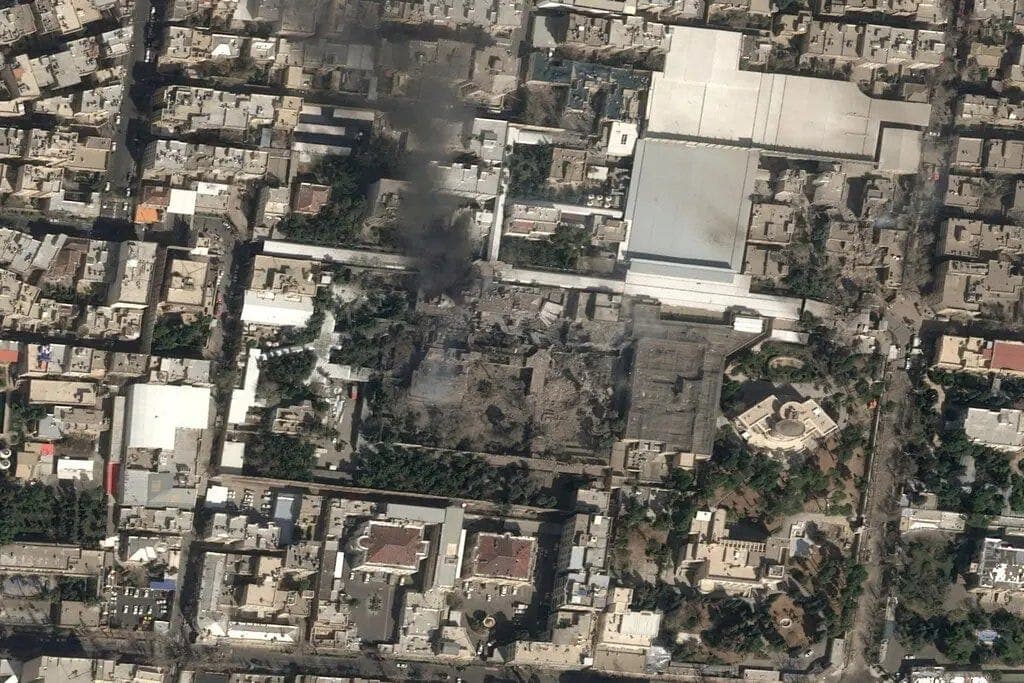
On the morning of Saturday, February 28, 2026, in the opening hours of a joint U.S.–Israeli military operation, Ali Khamenei, the Supreme Leader of the Islamic Republic of Iran, was killed in an airstrike targeting his compound known as the Beit-e Rahbari in Tehran’s Pasteur district.
The operation was described as part of a broader campaign that targeted not only military centers and command infrastructure but also the apex of the Islamic Republic’s political structure. What distinguishes this strike from many previous operations is not merely the symbolic importance of the target but the level of intelligence coordination, strike precision, and its immediate consequences for Iran’s power structure.
In the following report, the technical details of the attack are examined primarily based on satellite imagery analysis and other open-source evidence published within the first 24 hours after the strike.
It has been reported that Benjamin Netanyahu and Donald Trump have viewed images of Khamenei’s body. It is expected that more details of the attack will emerge in the future.
Timeline and Location of the Strike
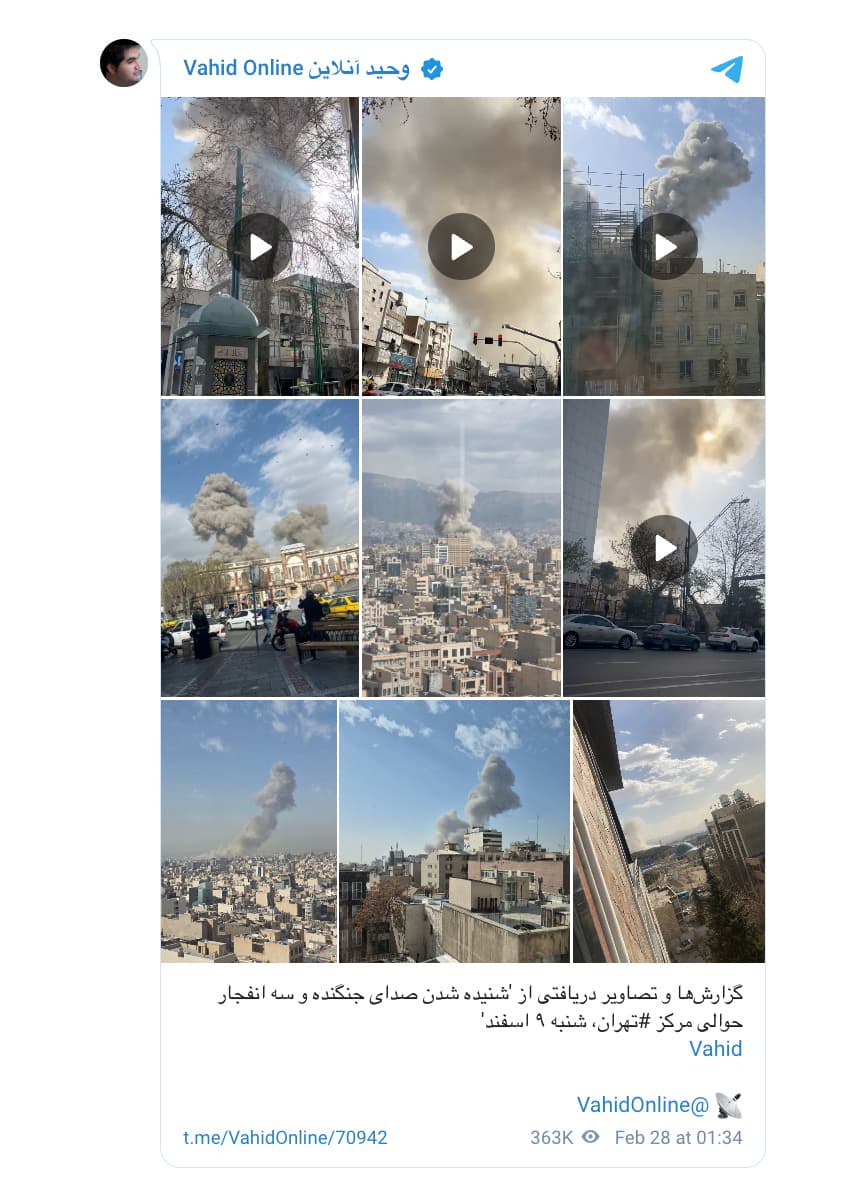
Concurrent with the first reported wave of attacks in Tehran, social media users and residents of central districts published the first videos and images showing the sound of explosions and rising smoke columns. These videos, which quickly spread widely, indicated explosions in the Pasteur area, home to the complex known as the Supreme Leader’s compound.
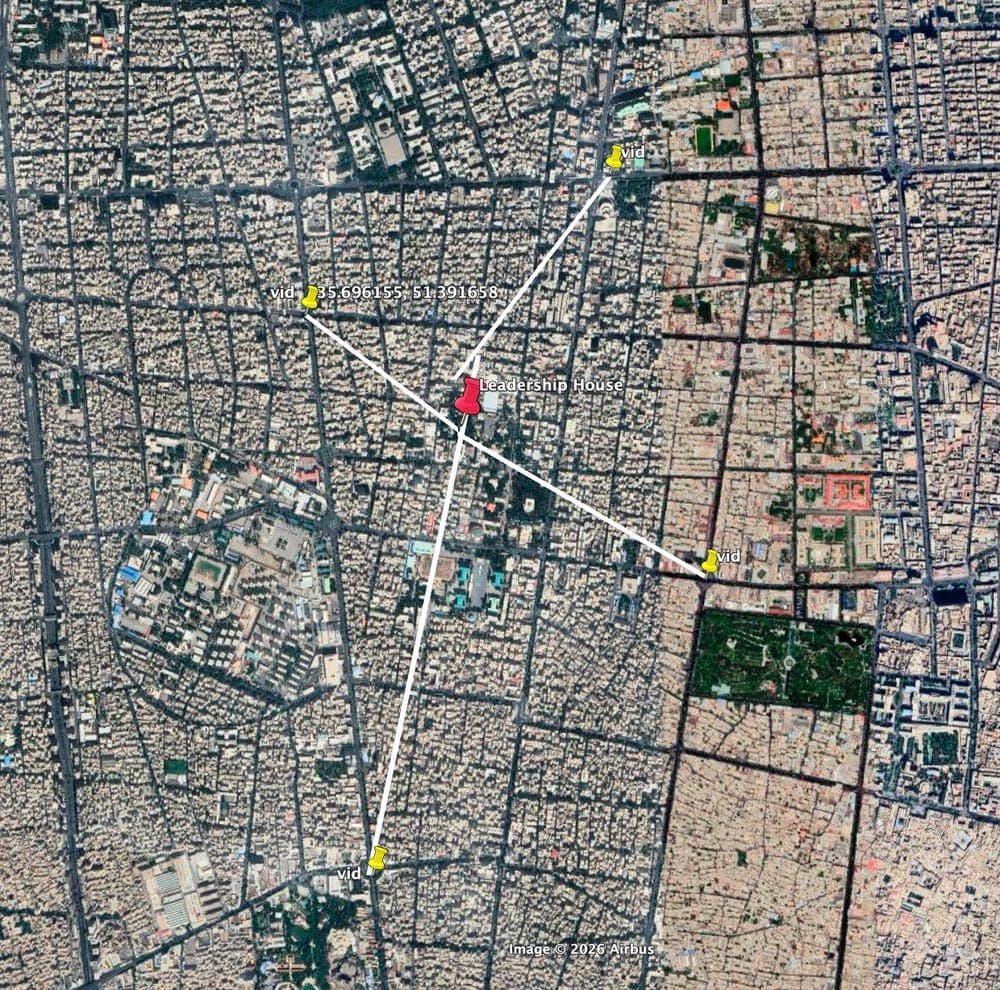
The geolocation data for four images of explosions circulating on social media also indicated that the initial videos were recorded at multiple locations around the Pasteur perimeter.
Based on time correlation between released data and international reports, the first wave of impacts was recorded at approximately 9:40 a.m. Tehran time, roughly two hours and five minutes after Israeli aircraft reportedly took off (IDF1 / IDF2).
According to a report by The New York Times, on the eve of the operation, the U.S. Central Intelligence Agency (CIA) became aware of a meeting of Iran’s Supreme Defence Council at the Leader’s office and concluded that senior Iranian defence and security officials would gather there on Saturday morning and that Khamenei himself would be present. This intelligence, described by informed sources as “high confidence,” prompted the United States and Israel to revise the timing of the strike.
The New York Times reported that the original plan had been to conduct the attack at night under cover of darkness. However, once this intelligence opportunity became clear, the operation was shifted to the morning in order to exploit the simultaneous presence of the Supreme Leader and senior commanders in one location.
Likely Weapons Scenarios Based on Satellite Imagery
The Washington Post, in a series of reports the same day, provided a clearer picture of the division of labour: according to individuals described as familiar with the operation, U.S. forces apparently focused primarily on military targets, while Israel struck “government targets.” If accurate, this division is militarily logical: the United States could degrade air defences, missile sites, and command-and-control centers to create a safer operational environment for more symbolic or political strikes by the other party and reduce the likelihood of rapid retaliation.
In modern military operations, especially those requiring surprise, there is a high probability that standoff weapons such as cruise missiles or air-launched ballistic missiles (ALBMs) were used. Based on patterns from previous strikes, the Israeli Air Force likely employed air-launched ballistic missiles in the initial wave to achieve operational surprise against Iranian armed forces.
The earliest images from Tehran prior to the explosions, showed Tomahawk cruise missiles passing over Imam Khomeini Square (Toopkhaneh). These cruise missiles were moving from south of the Telecommunications Building toward northeastern Tehran, while the leadership compound lies approximately 1.8 kilometers west of the telecommunications building along Sepah Street.
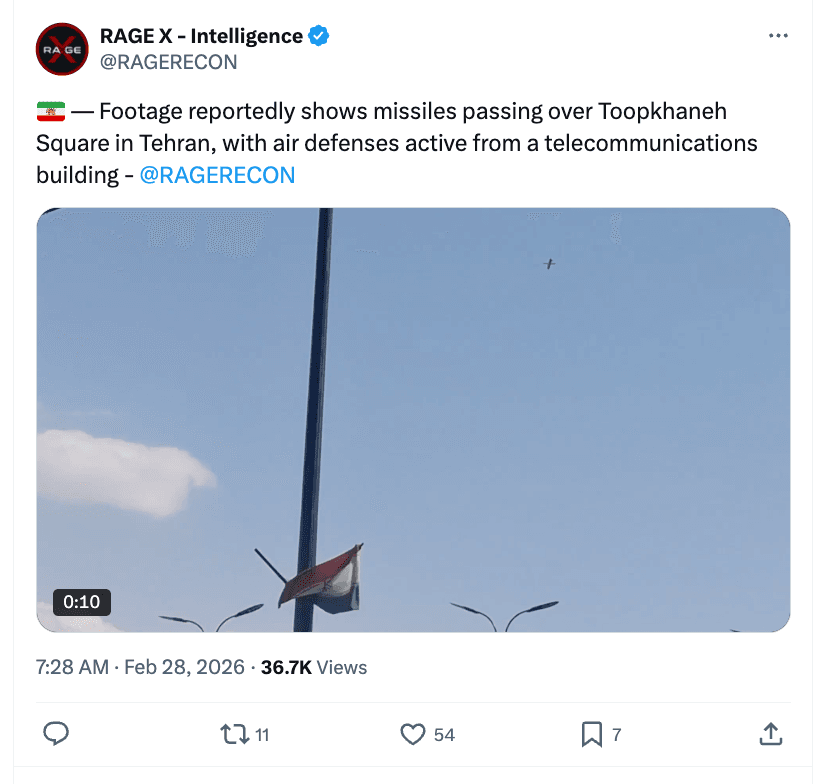
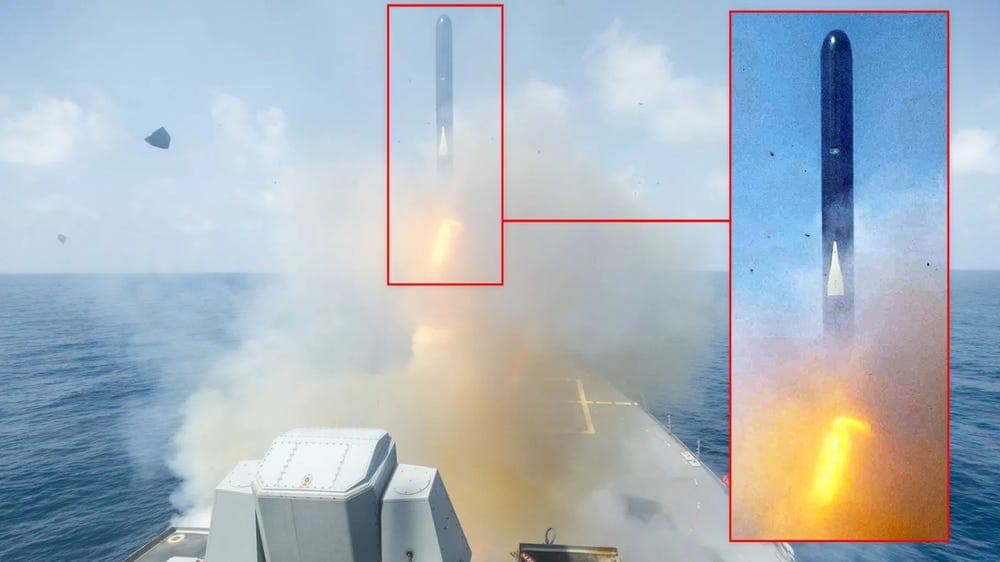
Images released by U.S. Central Command indicate that an advanced variant of the Tomahawk cruise missile—equipped with radar-absorbing materials and thermal shielding—was used in these strikes for the first time.
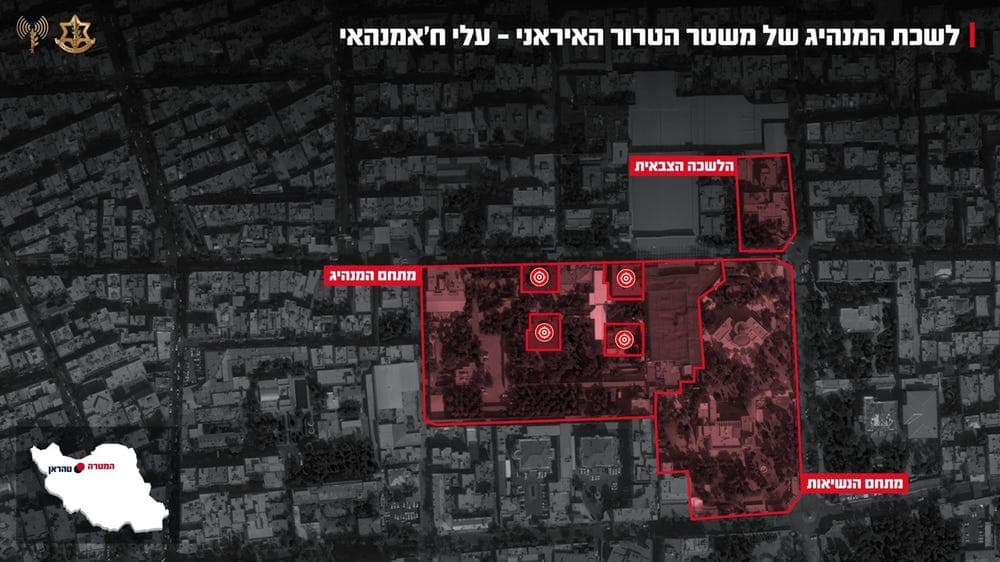
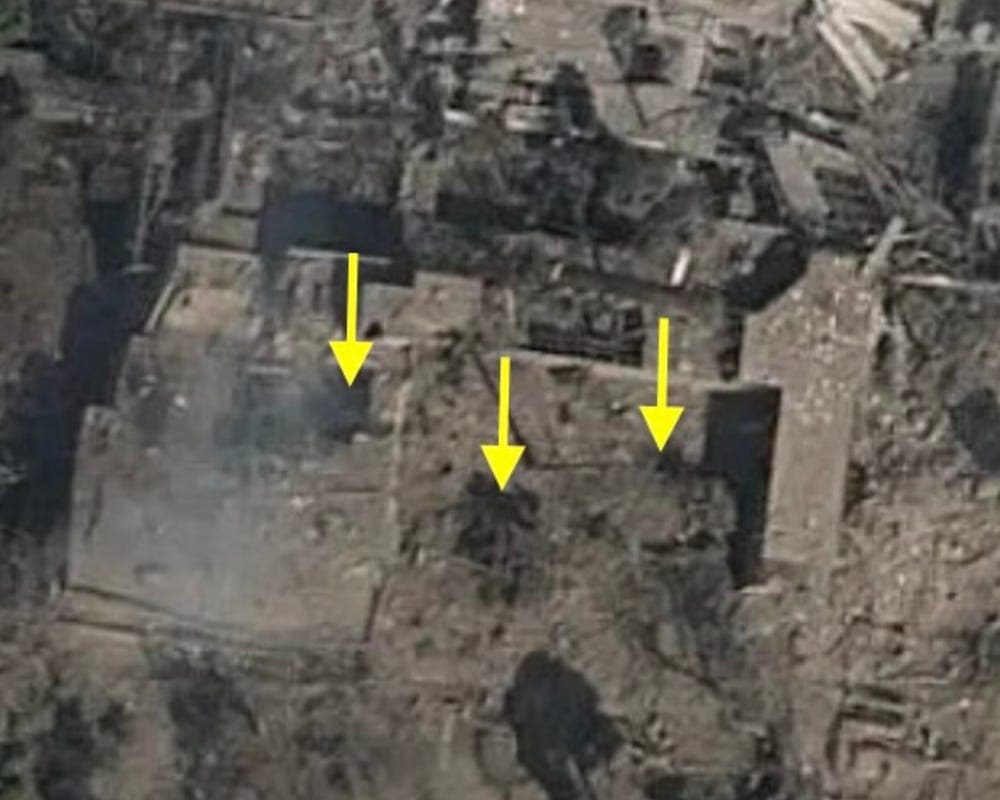
Satellite imagery captured hours after the attack showed concentrated destruction of the main buildings inside the Beit complex. The damage pattern, featuring collapse in the central structural section and highly localized impact, suggests a direct precision strike rather than broad blast damage from a nearby explosion.
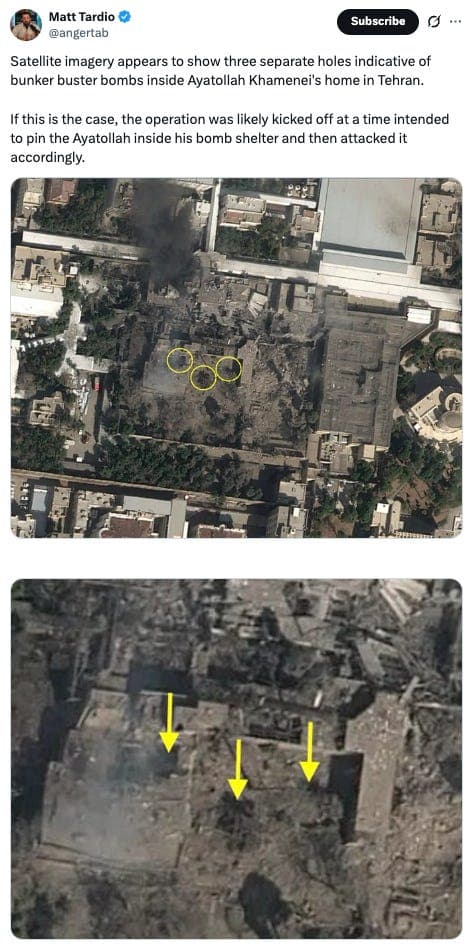
The destruction footprint was confined to a building cluster within the compound, while surrounding structures suffered comparatively limited damage—an outcome typically consistent with precision standoff munitions.
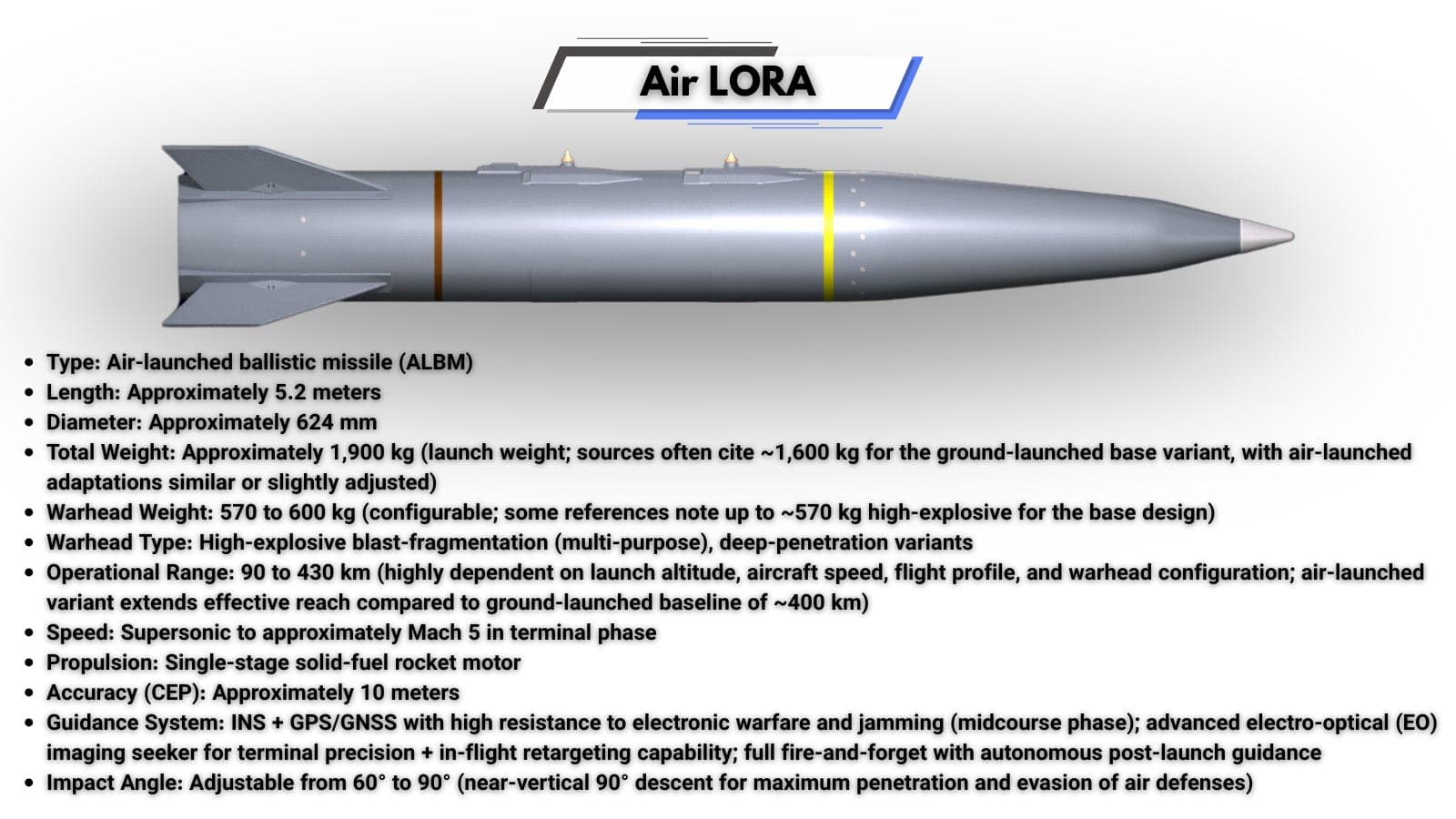
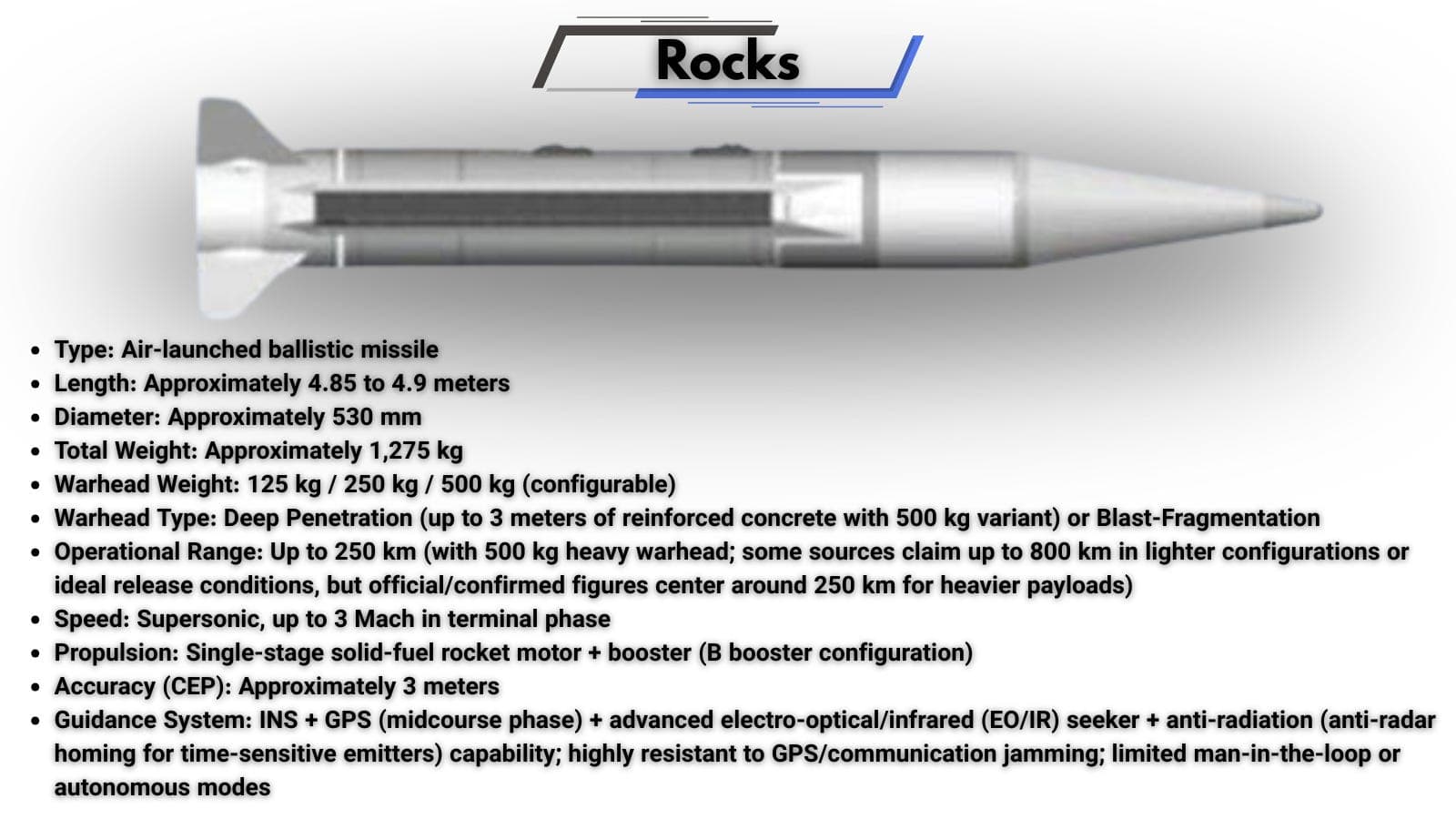
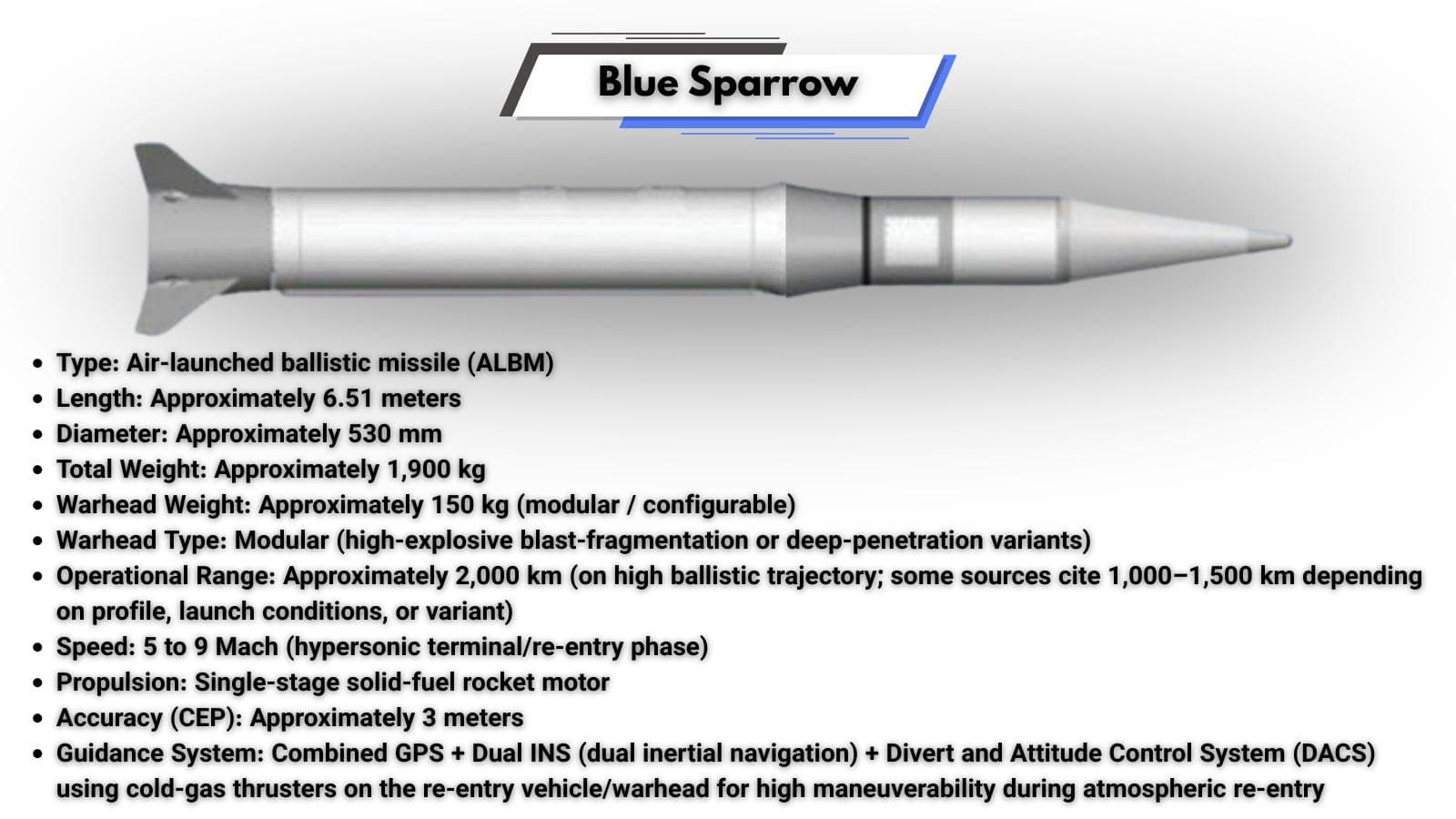
Among systems previously reported in Israel’s arsenal are:
- Air LORA
- Rocks
- Sparrow series (Blue Sparrow & Golden Horizon)
- Rampage
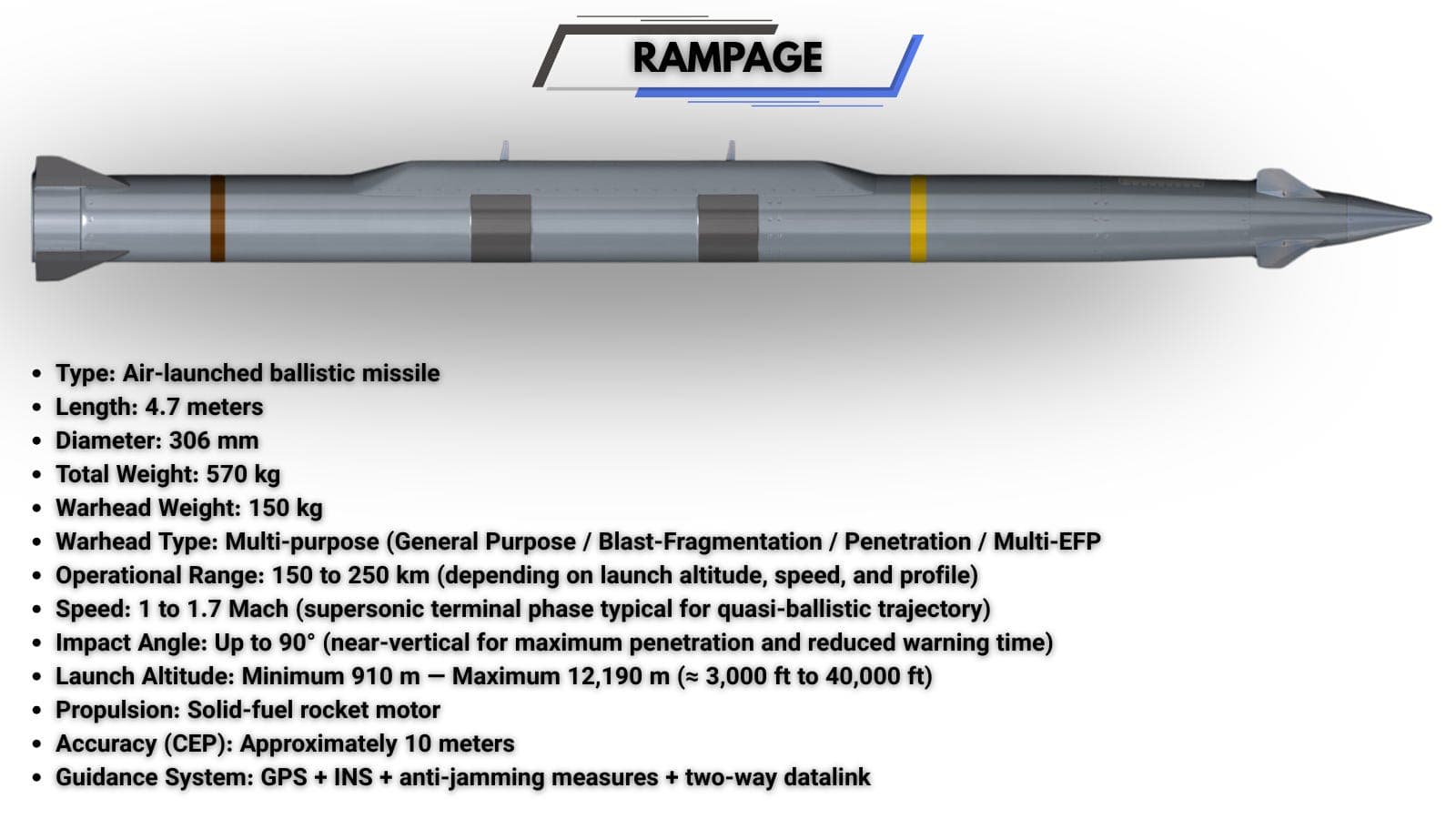
All are known to have penetrating (bunker-busting) warhead variants. Additionally, based on images published from Iraq in the early hours after the strike, boosters from air-launched ballistic missiles were reportedly discovered by local residents, which could serve as evidence supporting their use in the operation.
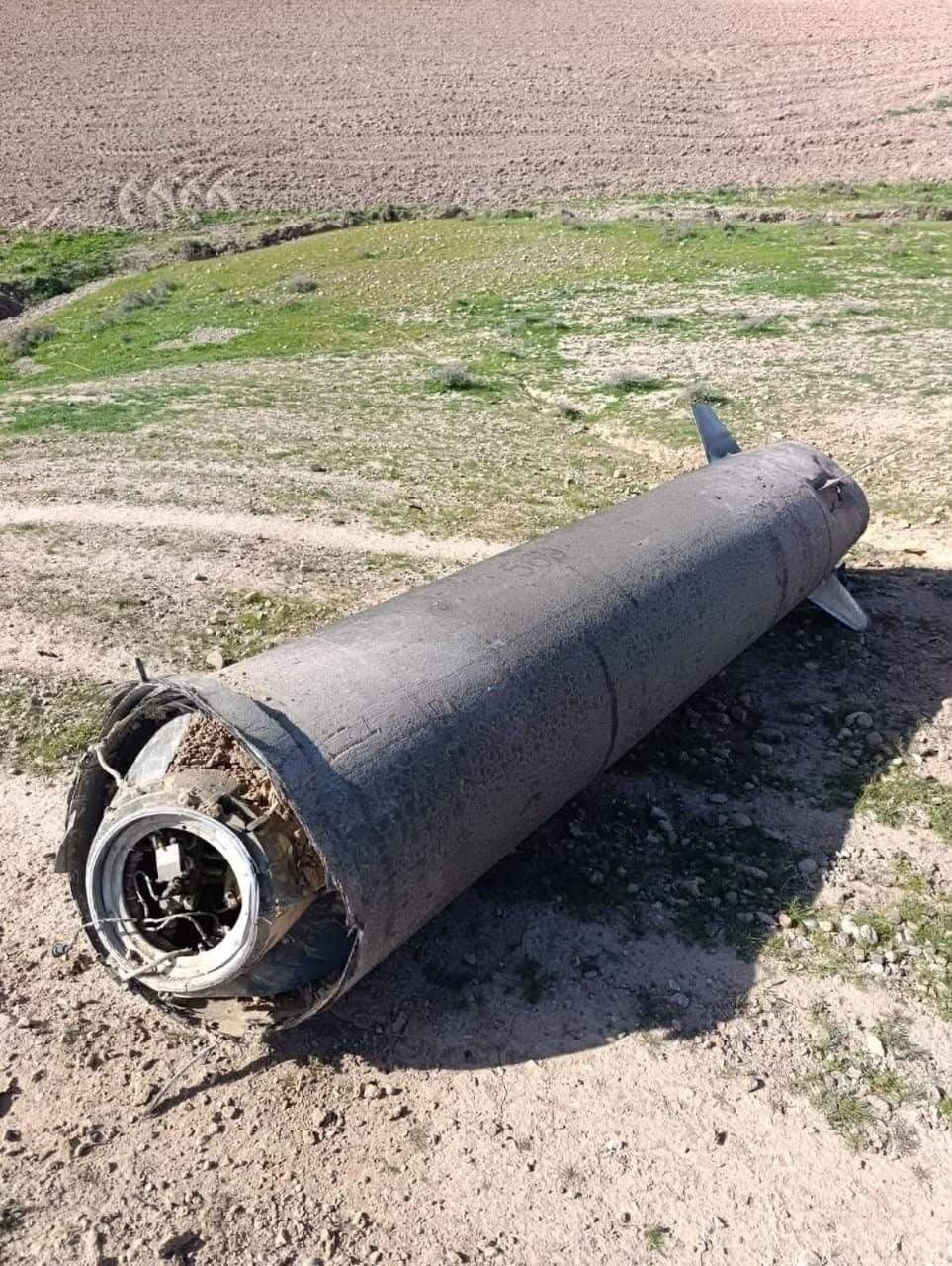
Air-launched ballistic missiles (ALBMs), when released from high altitude, deliver extremely rapid, surprise, and precise strikes, drastically reducing enemy warning time. Their high kinetic impact velocity (Mach 5–10+) can cause substantial destruction even without a large explosive payload. When equipped with penetrator warheads, these missiles become among the most effective conventional weapons against deep shelters and hardened underground facilities.
Alternative Strike Option: F-35I and Bunker-Buster Bombs
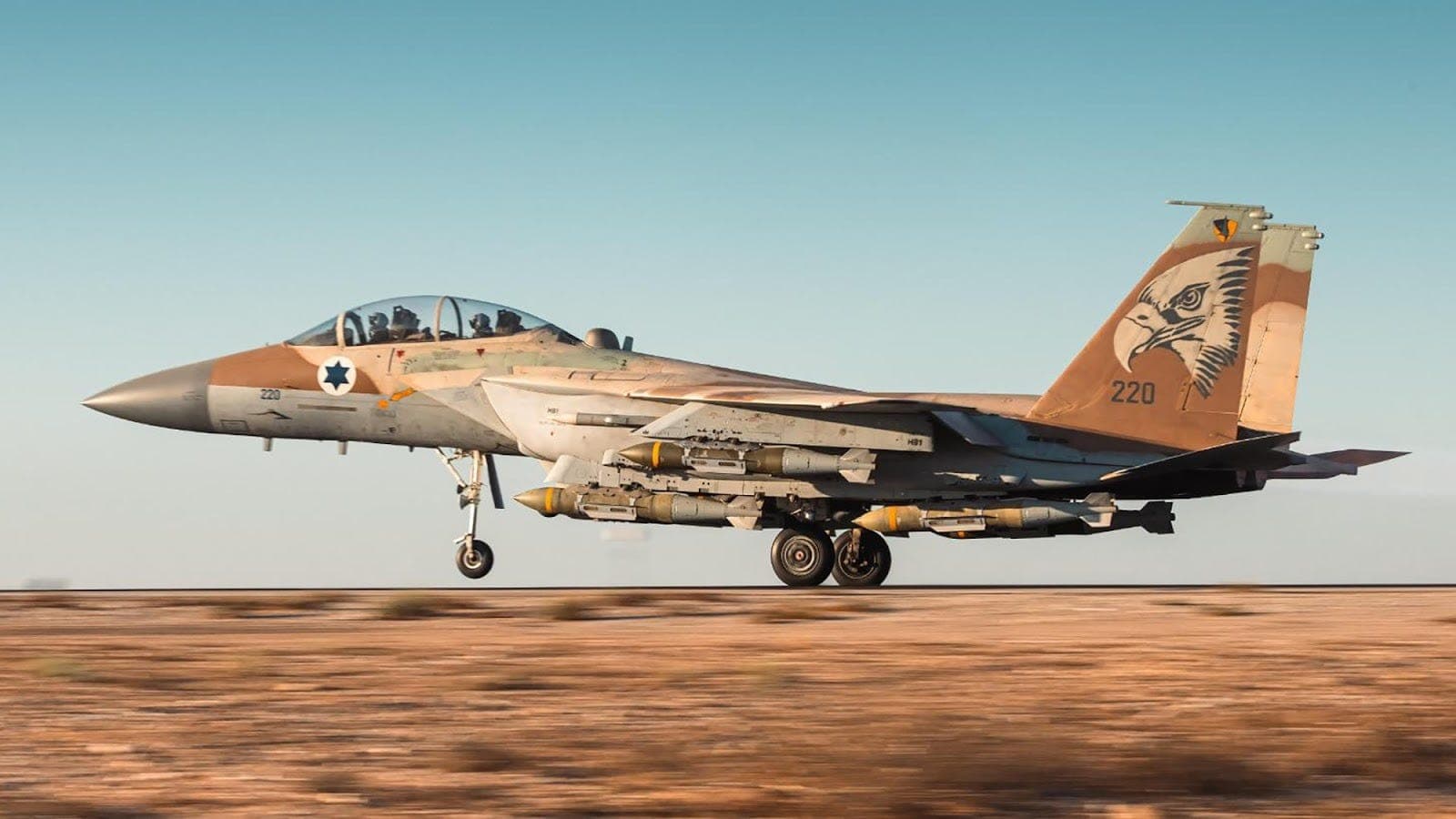
Beyond ALBMs, another possible scenario is the use of Israeli F-35I Adir stealth fighters armed with 2,000-pound GBU-31V3/B bunker-buster bombs. The aircraft can carry up to two such bombs internally.
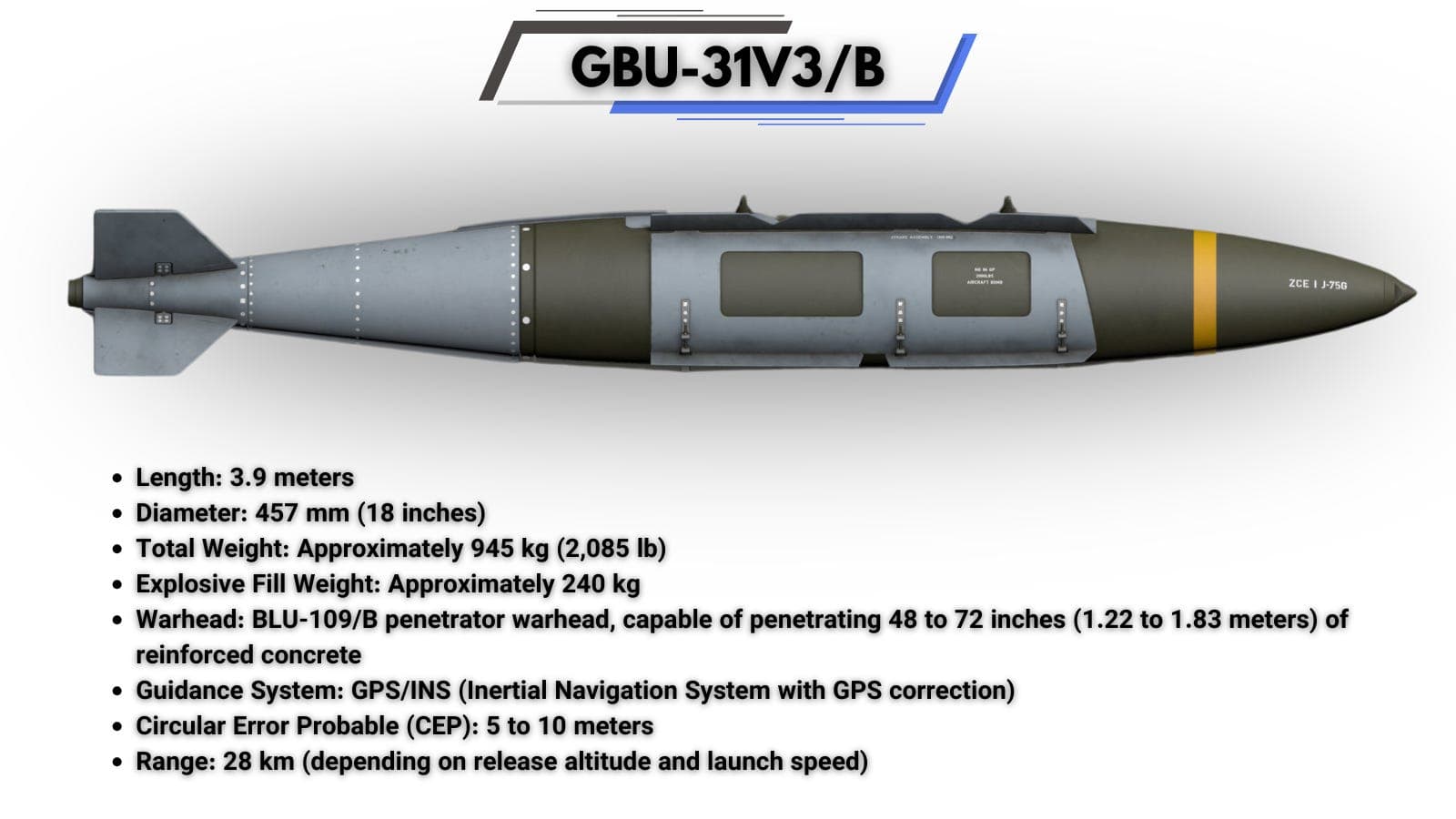
The Israeli Air Force has repeatedly used the GBU-31V3/B in recent operations against underground facilities. This bomb employs the BLU-109 penetrator warhead, widely regarded as one of the most commonly used bunker-busting munitions in the arsenals of the United States and its allies.
The same weapon was previously employed by Israeli F-15I Ra’am fighters during Operation New Order against the underground bunker of Hassan Nasrallah, then leader of Hezbollah.
Satellite imagery of the Beit complex also shows the destruction of a small structure at the entrance of Imam Khomeini Hussainiya on Palestine Street—the site used for Khamenei’s speeches. This entrance complex serves as the first layer of security screening for visitors entering the leadership compound.
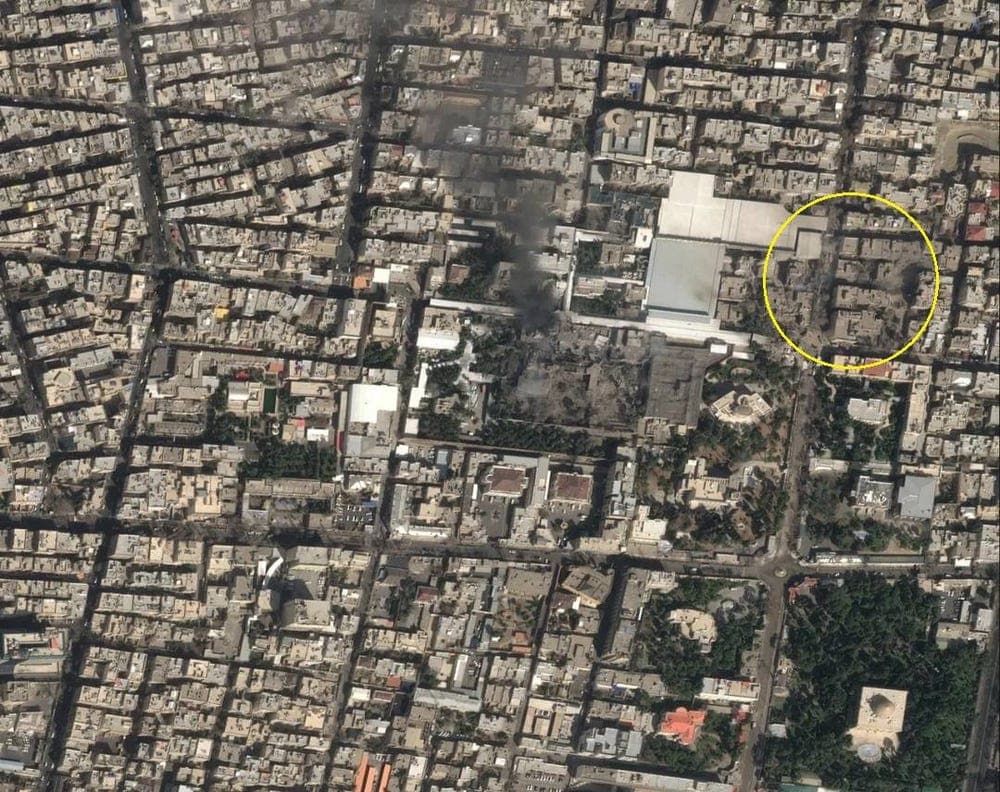
In summary, satellite imagery and ground-level videos confirm precise and concentrated impacts inside the Beit complex. However, the definitive identification of the exact weapons used remains within the realm of probabilistic assessment and requires additional technical evidence.
Intelligence–Operations Convergence: From Behavioral Tracking to Decapitation Strike
What emerges from the totality of media reporting and formal analytical frameworks is that this operation was not the product of a sudden political decision or a random opportunity. Rather, it appears to be the result of a complete intelligence-to-execution cycle.
According to The New York Times, U.S. intelligence agencies had been tracking Ali Khamenei’s behavioural patterns for months before the strike. As outlined in the U.S. Army intelligence manual ATP 2-33.4, this form of targeting goes beyond locating a physical position; it involves reconstructing the target’s pattern of life—including daily habits, movement methods, meeting management style, preference for in-person versus remote communication, and surrounding communications networks.
The purpose of this phase is to reduce uncertainty and improve predictive accuracy regarding the target’s presence at sensitive locations.
At this stage, collected intelligence (such as signals intercepts and multi-spectral satellite imagery) is fused with computational methods (including graph analysis and probabilistic modelling) to map personal networks and daily behaviours. This enables the detection of anomalous behaviour and validation of predictions about target movement and presence.
Within this framework, awareness of the Supreme Defence Council meeting at the Beit compound represented the key inflection point in the intelligence cycle. According to The New York Times, U.S. intelligence concluded not only that senior Iranian defence and security officials would gather there on Saturday morning, but also that the Supreme Leader himself would be present.
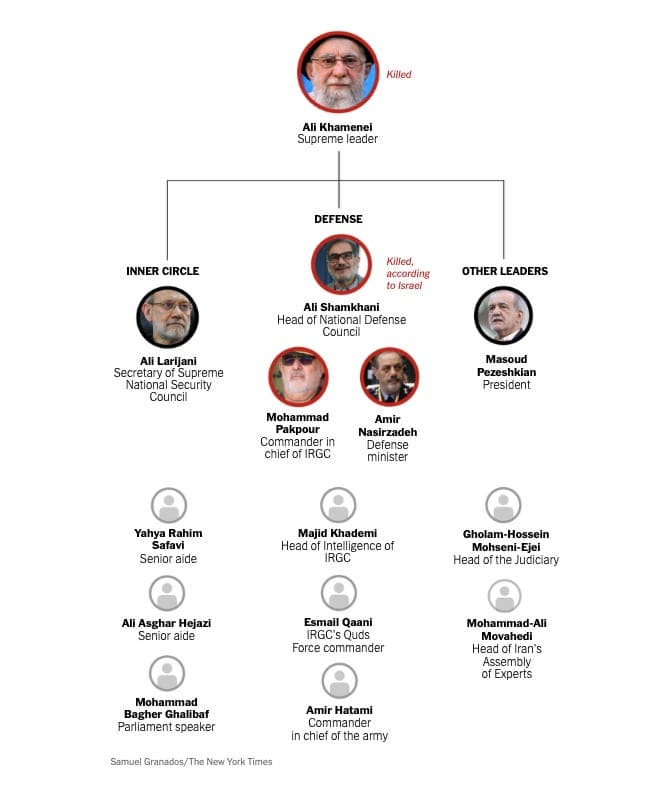
This operational confidence regarding the simultaneous presence of the political apex and senior military leadership directly drove the revision of the strike timeline. The launch of Tomahawk missiles from the Mediterranean, requiring several hours of flight time to Tehran, further supports the assessment that U.S. intelligence had prior knowledge of Khamenei’s behavioural pattern and his likely presence at the meeting.
Field Execution Characteristics
At the tactical level, the operation reflects the translation of intelligence assessment into precisely timed execution. Available timing data indicates that impacts occurred around 9:40 a.m. Tehran time, while the meeting was reportedly underway.
Choosing this window, rather than conducting the strike at night, suggests that target simultaneity was prioritized over the classical doctrine of darkness for surprise. In other words, surprise was achieved through target concentration rather than concealment.
Key operational indicators include:
- Limited destruction footprint confined to a building cluster within the Beit complex, consistent with precision strike patterns.
- Tight timing correlation between aircraft launch and impact, indicating highly pre-calculated synchronization with the meeting.
- Concurrent strikes on other command and military centers indicate the Beit strike was part of a coordinated multi-layered wave rather than a standalone action.
Strategic Implications
At the macro-operational level, targeting the apex of the power pyramid is a classic decapitation strategy aimed at immediately disrupting the command chain, temporarily paralyzing decision-making mechanisms, and imposing political shock.
Such an attack carries not only military significance but also strategic signalling value:
- Demonstration of deep intelligence penetration
- Proof of superiority across the find-fix-finish cycle
- Messaging that even the most protected power circle is vulnerable
However, the boundary between verifiable data and probabilistic assessment must be preserved. What can be established—based on satellite imagery, temporal correlation, and credible media reporting—is an unusually tight convergence between prior intelligence and precise field execution.
The full extent of intelligence penetration, the complete operational network involved, and the final design details of the strike remain within the realm of classified information.